In this auspicious occasion, we are delighted to delve into the intriguing topic related to windows 10 pro and windows 11 difference. Let’s weave interesting information and offer fresh perspectives to the readers.

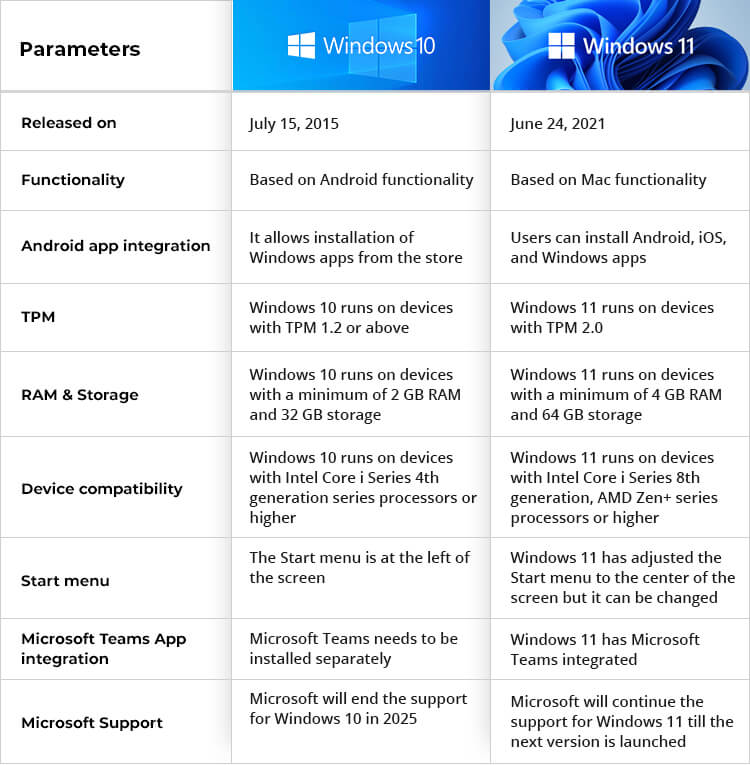
Microsoft’s Windows operating system has undergone a significant transformation with the release of Windows 11, following the successful reign of Windows 10. While both operating systems offer a robust platform for computing, there are distinct differences that cater to specific user needs and preferences. This article delves into the key distinctions between Windows 10 Pro and Windows 11, providing a comprehensive analysis for informed decision-making.
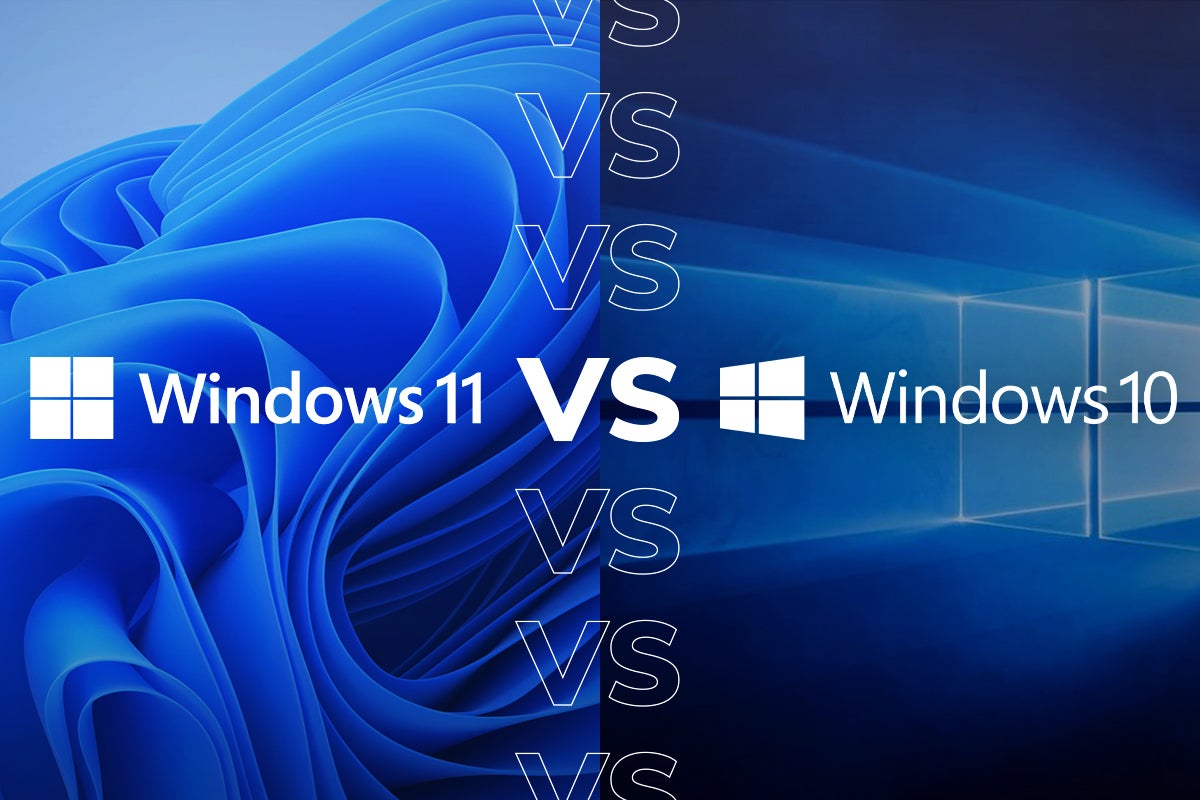
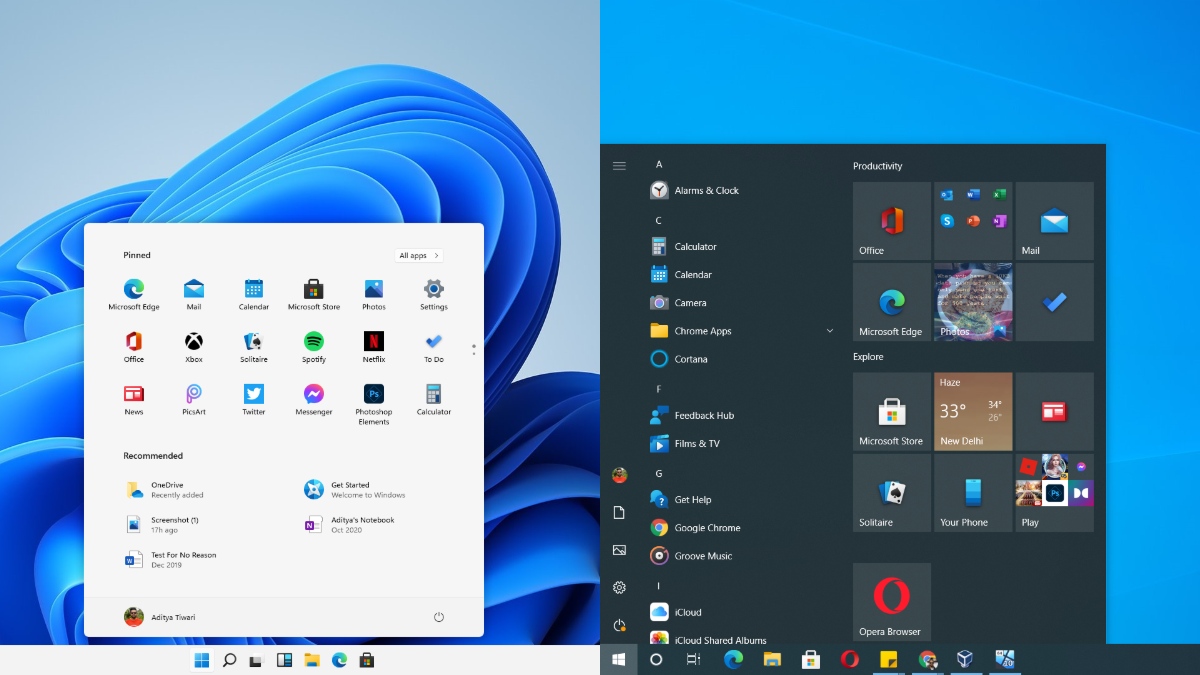
Windows 11 boasts a redesigned user interface, characterized by rounded corners, a centered taskbar, and a streamlined Start menu. These visual changes contribute to a more modern and intuitive experience. The new design emphasizes visual clarity and ease of navigation, enhancing user engagement.

Windows 11 introduces stricter system requirements compared to Windows 10 Pro. Notably, it mandates a TPM 2.0 chip, Secure Boot, and a compatible processor for installation. These requirements are designed to enhance security and performance, but they may pose a barrier for users with older hardware.
Both operating systems prioritize security, but Windows 11 incorporates enhanced features. It includes Windows Hello for biometric authentication, Microsoft Defender SmartScreen for phishing protection, and a refined system security architecture. These advancements aim to safeguard users from evolving cyber threats.
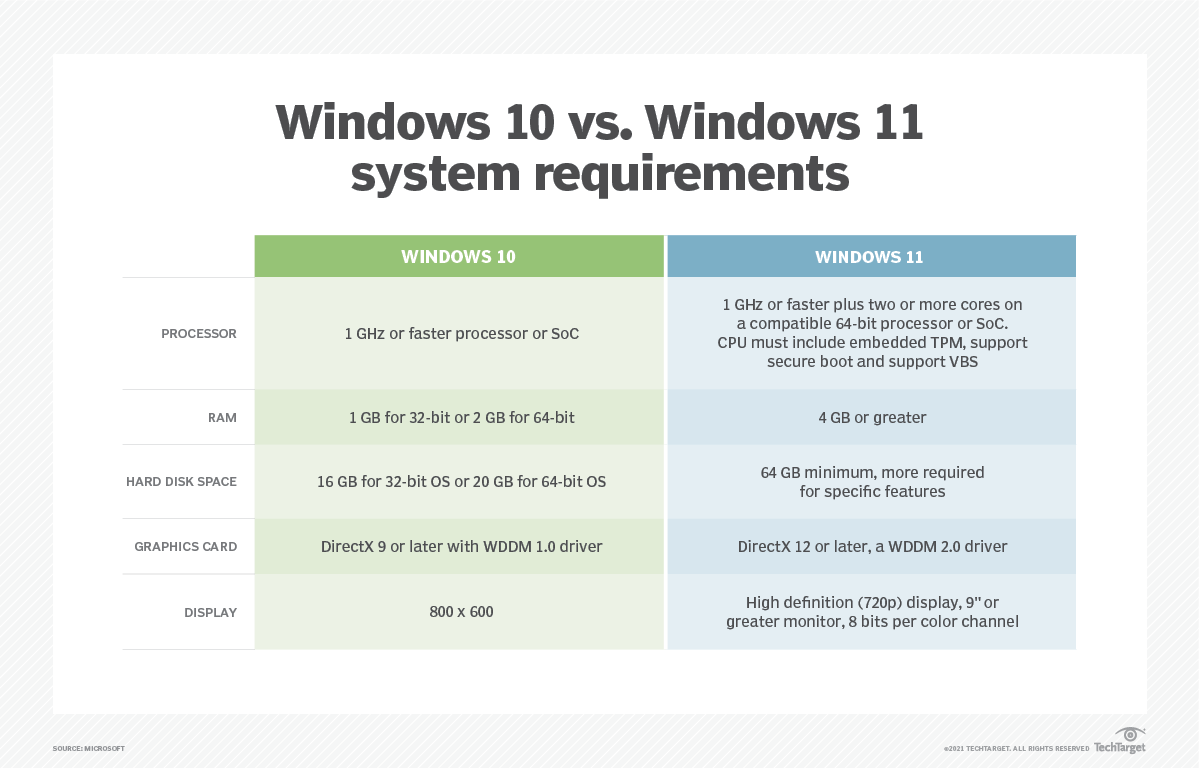
Windows 11 is optimized for modern hardware, leveraging advancements in processor technology and storage solutions. It boasts improved performance and efficiency, particularly in resource-intensive tasks like gaming and video editing. The operating system is designed to deliver a smoother and more responsive user experience.

Windows 11 offers a comprehensive app ecosystem, including the Microsoft Store, which provides access to a wide range of applications. The operating system also supports Android apps through the Amazon Appstore, expanding its application portfolio.
Windows 11 enhances gaming experiences with features like DirectX 12 Ultimate and Auto HDR, delivering improved graphics fidelity and visual quality. It also supports cloud gaming services, enabling users to stream and play games directly from the cloud.
Windows 11 is designed to be compatible with a wide range of hardware and software, but some older applications may not function seamlessly. Users may need to update or find compatible alternatives for certain legacy software.
Users with Windows 10 Pro can upgrade to Windows 11, subject to system requirements. Microsoft provides a free upgrade path for eligible devices, allowing users to transition to the latest operating system without incurring additional costs.
Windows 10 Pro and Windows 11 are both available for purchase, with licensing costs varying based on the specific edition and purchase method. Generally, Windows 11 is priced similarly to Windows 10 Pro, with potential discounts available for volume licensing.
A: While both operating systems offer robust features, Windows 11 introduces a redesigned interface, enhanced security features, and improved performance optimization. The upgrade is particularly beneficial for users seeking a modern and streamlined experience with access to new features like Android app integration and Snap Layouts.
A: Windows 11 incorporates enhanced security features, including a more robust system security architecture, TPM 2.0 chip requirement, and refined phishing protection through Microsoft Defender SmartScreen. These advancements aim to strengthen user protection against evolving cyber threats.
A: Yes, Microsoft offers a free upgrade path for eligible devices, allowing users to transition to Windows 11. However, it’s essential to ensure your system meets the minimum requirements for compatibility.
A: Windows 11 offers a modern user interface, enhanced security features, improved performance optimization, and new features like Android app integration and Snap Layouts. These benefits appeal to users seeking a more streamlined, secure, and feature-rich operating system.
Windows 10 Pro and Windows 11 offer distinct advantages, catering to specific user needs and preferences. Windows 10 Pro remains a reliable and feature-rich operating system, while Windows 11 introduces a modern user interface, enhanced security features, and improved performance optimization. The choice between the two depends on individual requirements, hardware compatibility, and desired features. For users seeking a streamlined, secure, and feature-rich experience, Windows 11 presents a compelling upgrade path. However, those with older hardware or a preference for the familiar Windows 10 interface may find Windows 10 Pro a suitable option. Ultimately, the decision should be guided by a thorough assessment of individual needs and priorities.


Thus, we hope this article has provided valuable insights into windows 10 pro and windows 11 difference. We appreciate your attention to our article. See you in our next article!
Your email address will not be published.